







.png)


Composite vs Wood Decks
A practical comparison from a contractor who builds both — and has been doing it in Westchester, Putnam, and Fairfield County for over 30 years.
Our Take
The honest answer: it depends on your priorities.
We build both composite and wood decks, and we're certified Trex Pro Platinum and TimberTech Platinum contractors — so we don't have a financial incentive to push you toward one or the other. What we do have is 30+ years of building decks across the Northeast, which gives us a clear picture of how each material holds up over time.
The short version: composite wins on durability, maintenance, and long-term cost. Wood wins on upfront price and repairability. If you plan to stay in your home for 10+ years and want a deck that looks great without annual maintenance, composite is almost always the right call in our climate.
If budget is the primary constraint or you genuinely love the look and feel of natural wood and are willing to maintain it, wood is a perfectly good choice. Here's what you need to know about both.
Our Certifications

Trex Pro Platinum
Highest tier composite deck installer certification from Trex.
TimberTech Platinum
Platinum certified for TimberTech and AZEK composite systems.
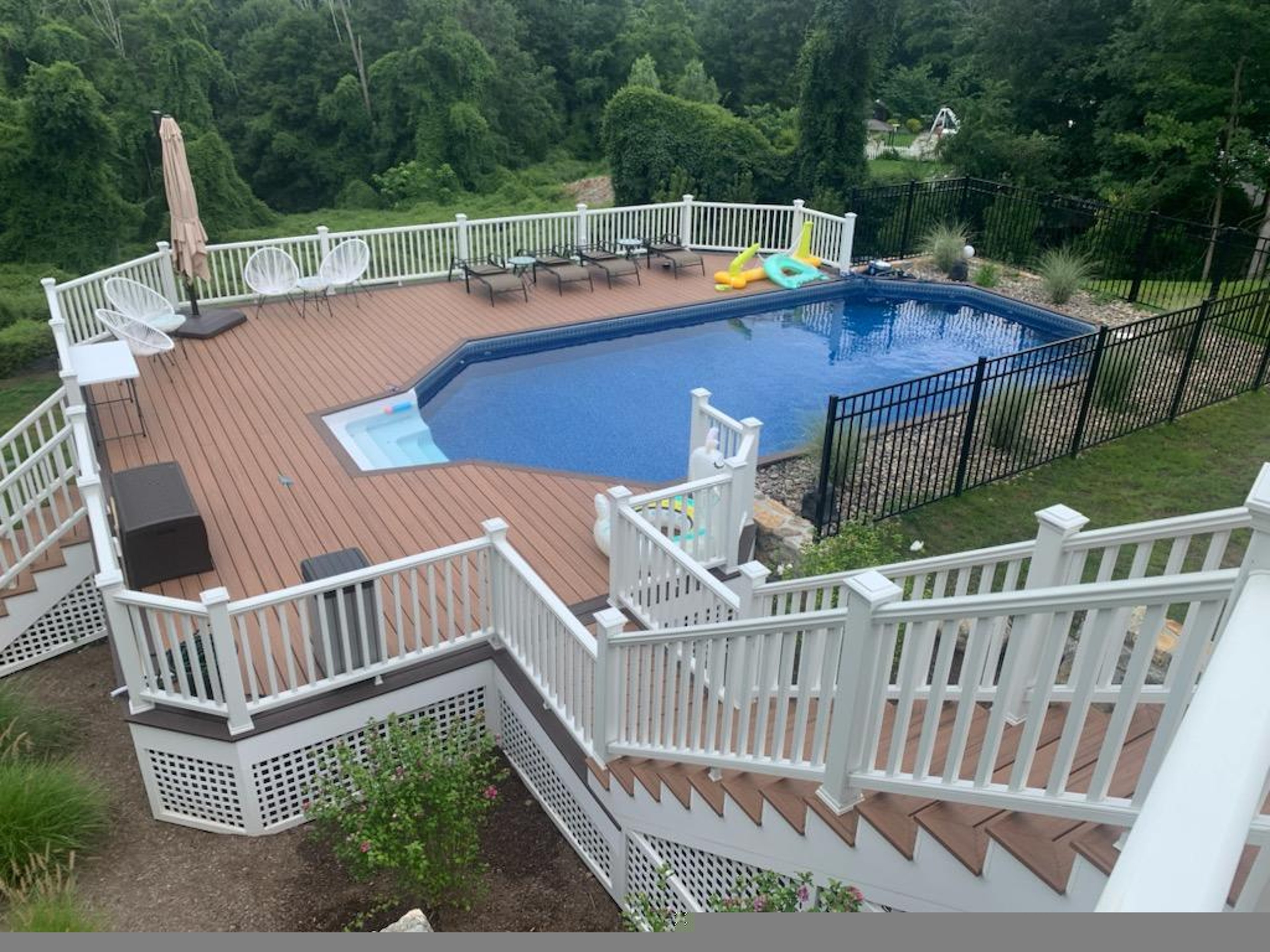
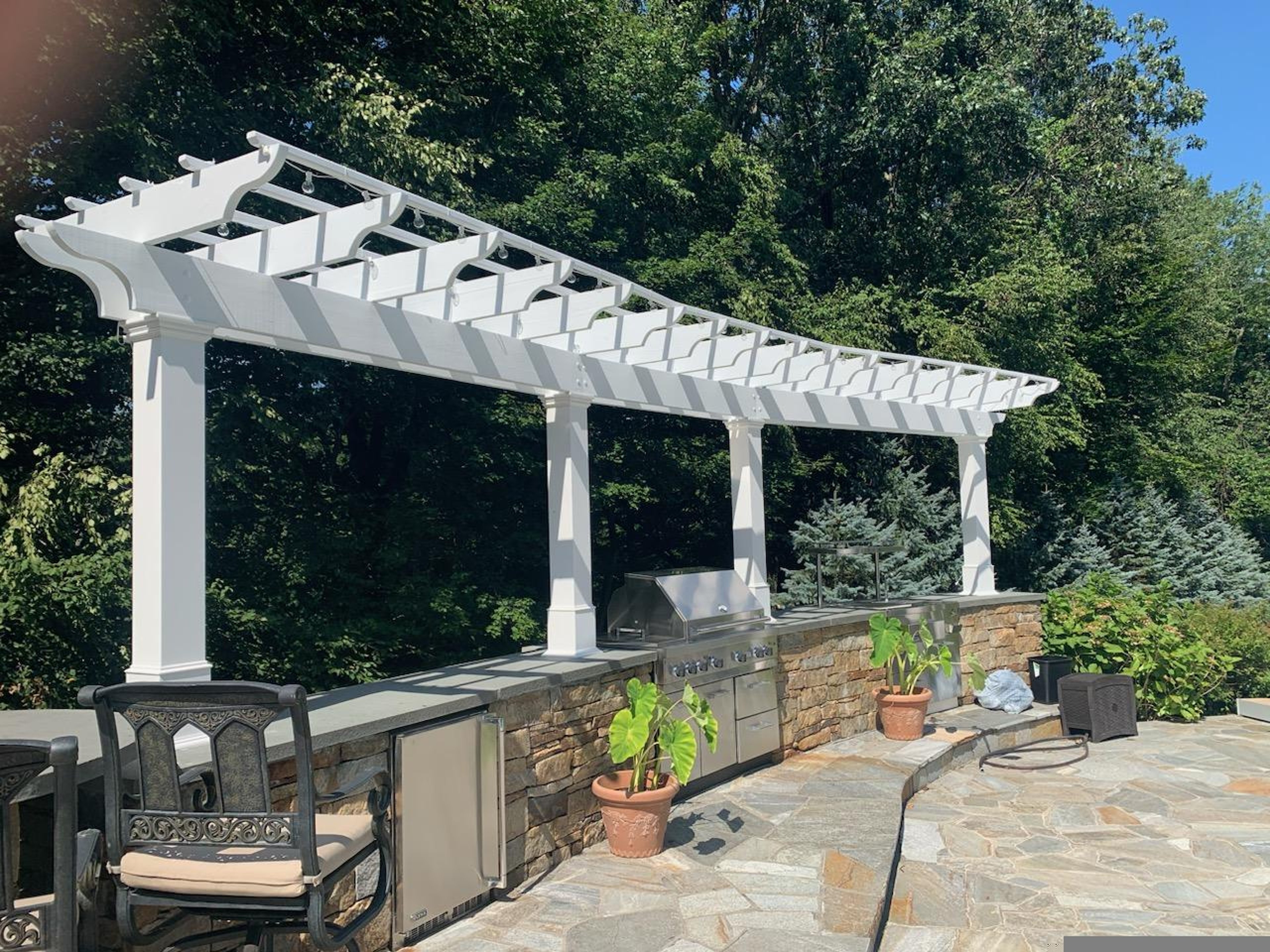
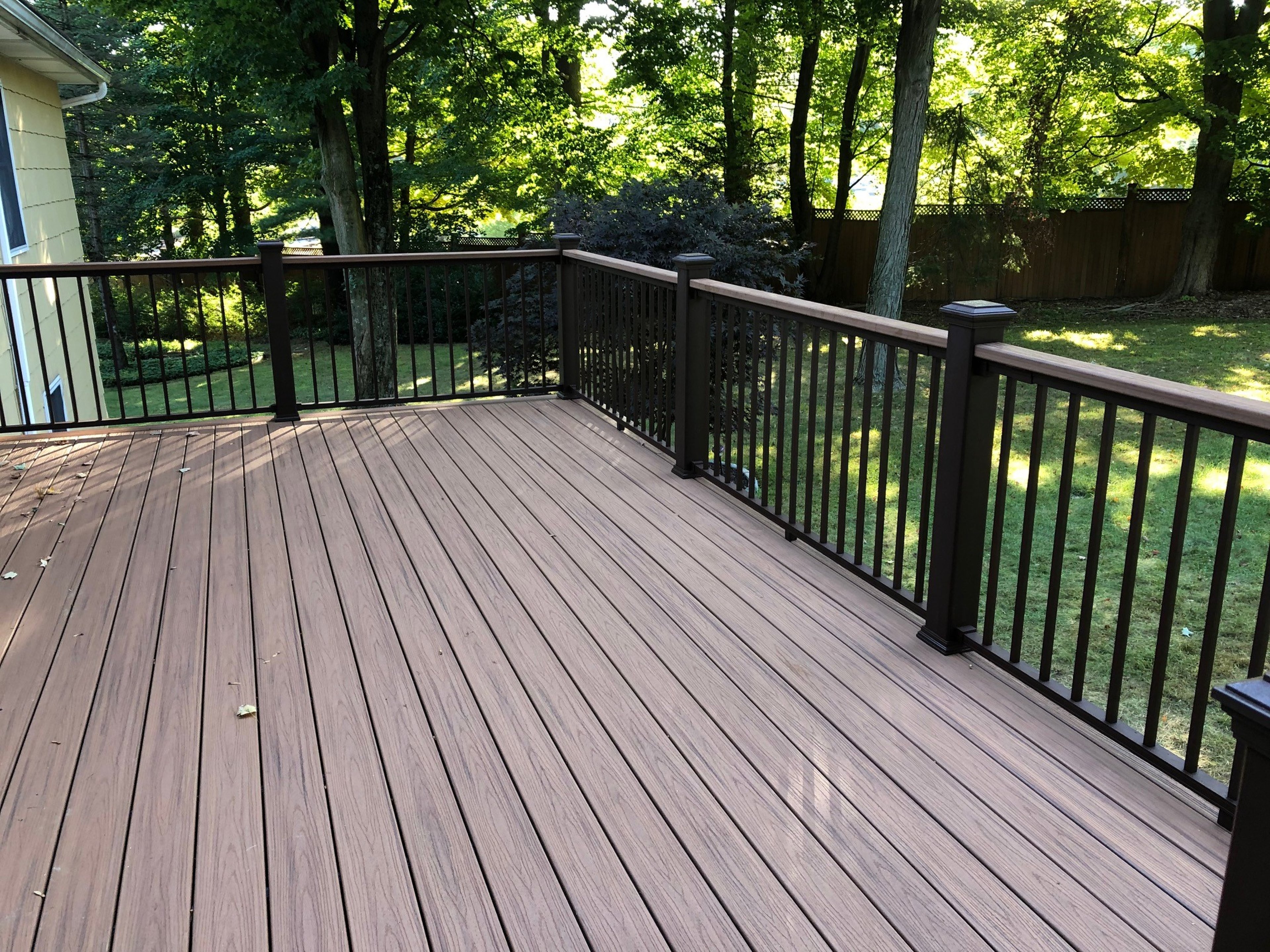
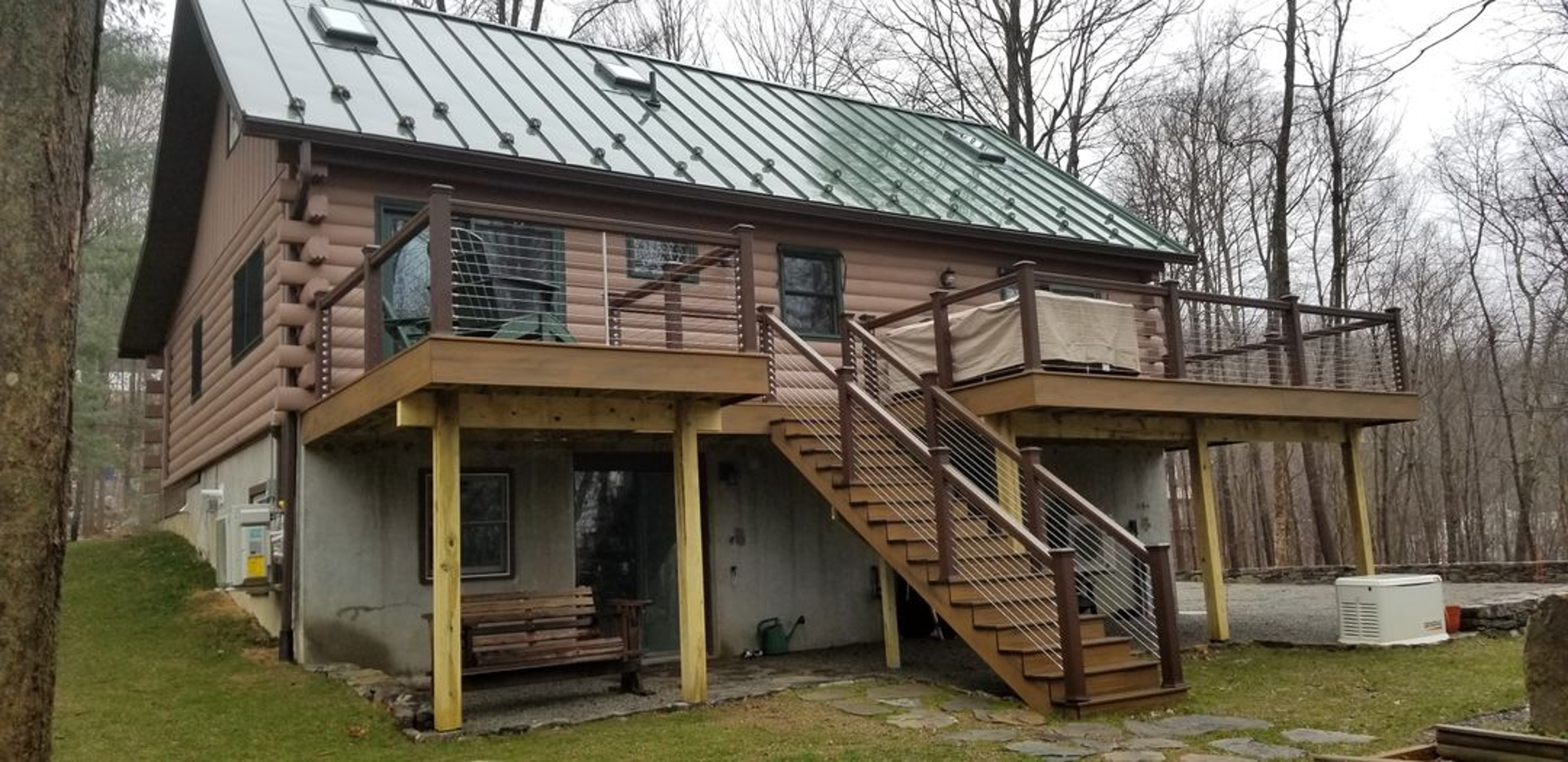
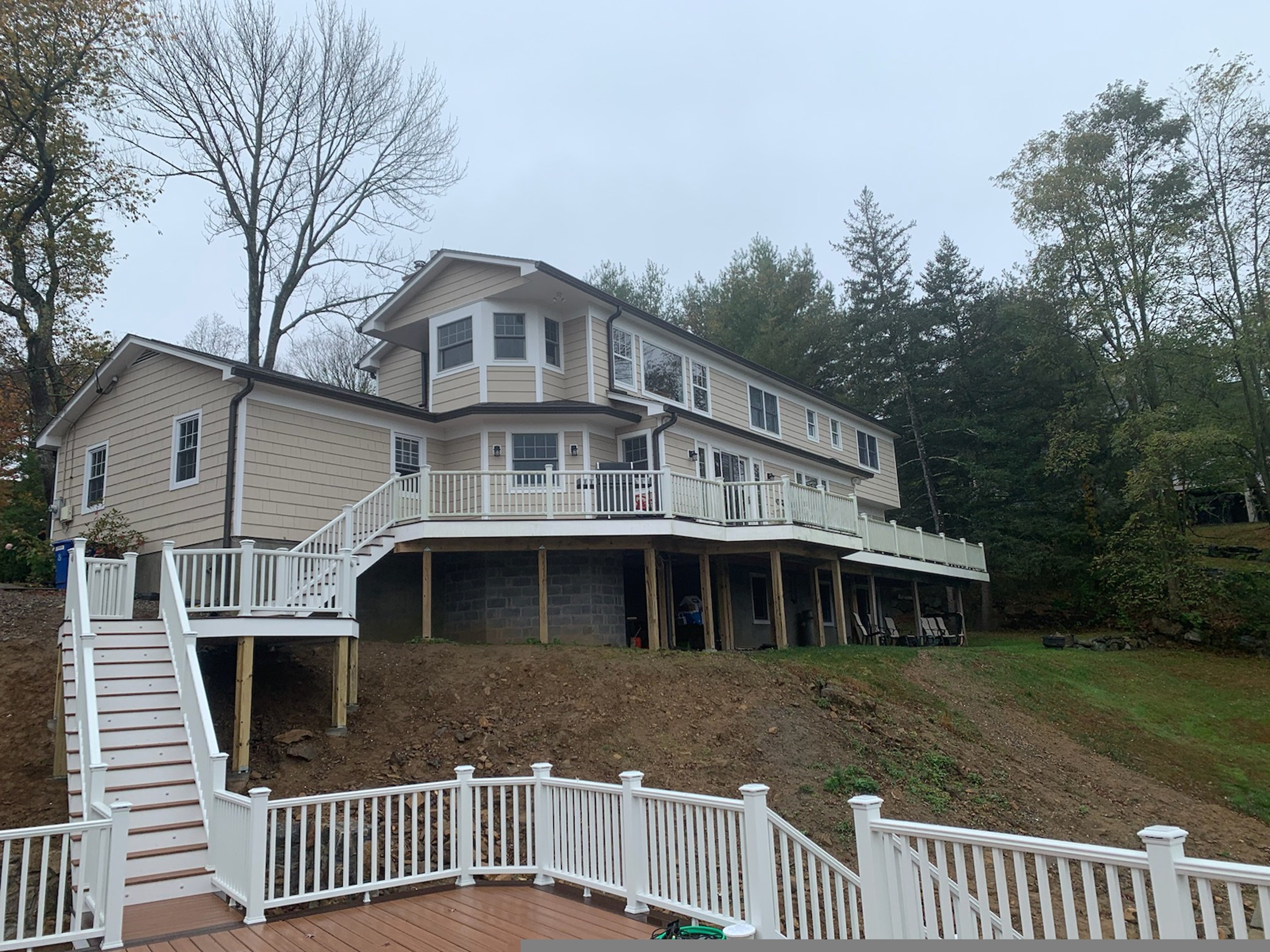
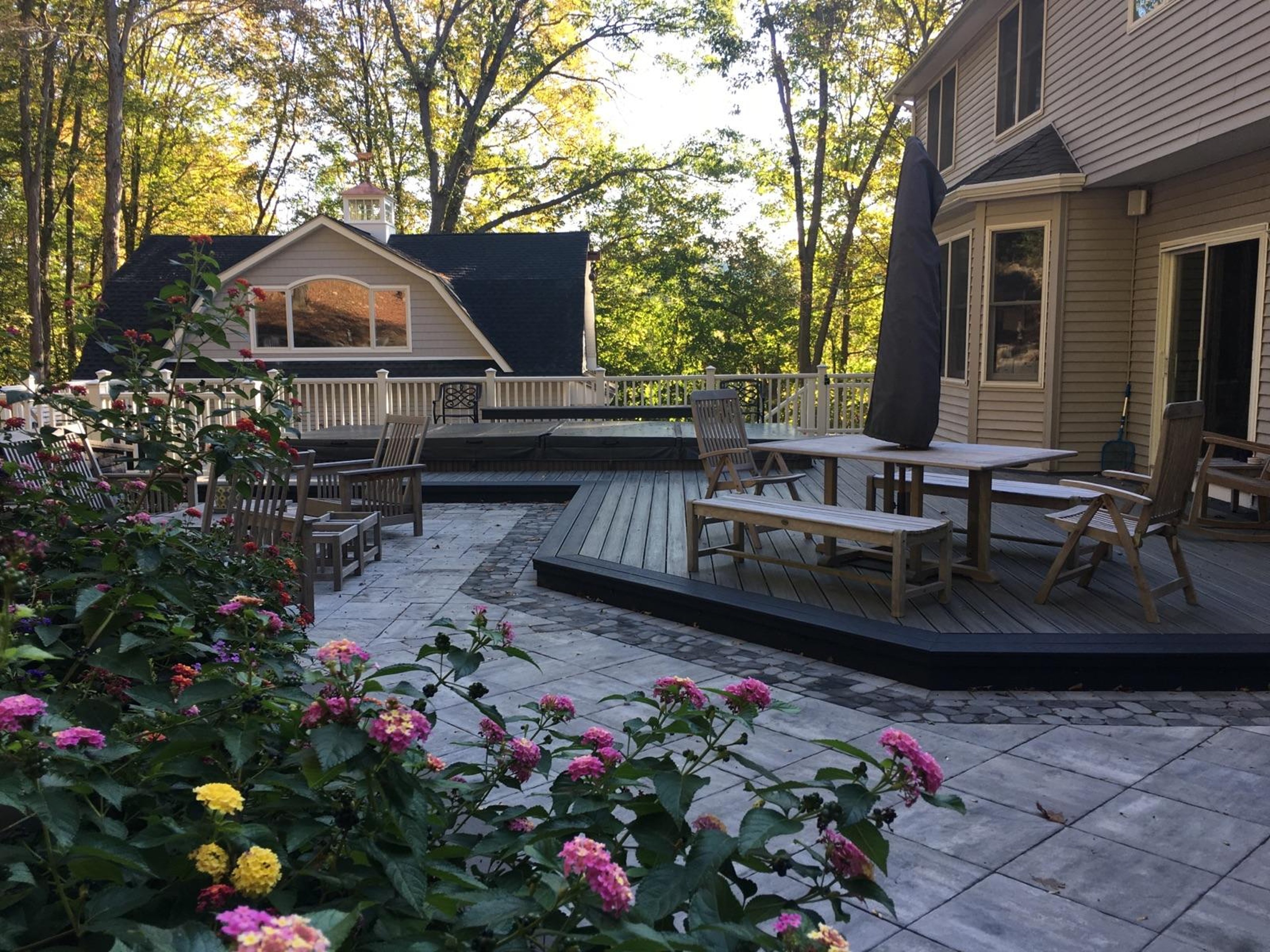
Side by Side
How They Compare
Composite
Wood
Total Cost of Ownership
When you include labor and materials for refinishing every 1–3 years, total cost of ownership often favors composite.
Low — maintenance is minimal
Higher — factor in annual staining/sealing
Lifespan
Trex and TimberTech carry 25–30 year fade and stain warranties. Properly maintained wood can last longer but rarely does.
25–30+ years
10–15 years (with maintenance)
Maintenance
This is the biggest practical difference. Composite requires almost no upkeep. Wood demands a consistent maintenance schedule to hold up.
Occasional soap and water wash
Annual cleaning, staining or sealing required
Appearance
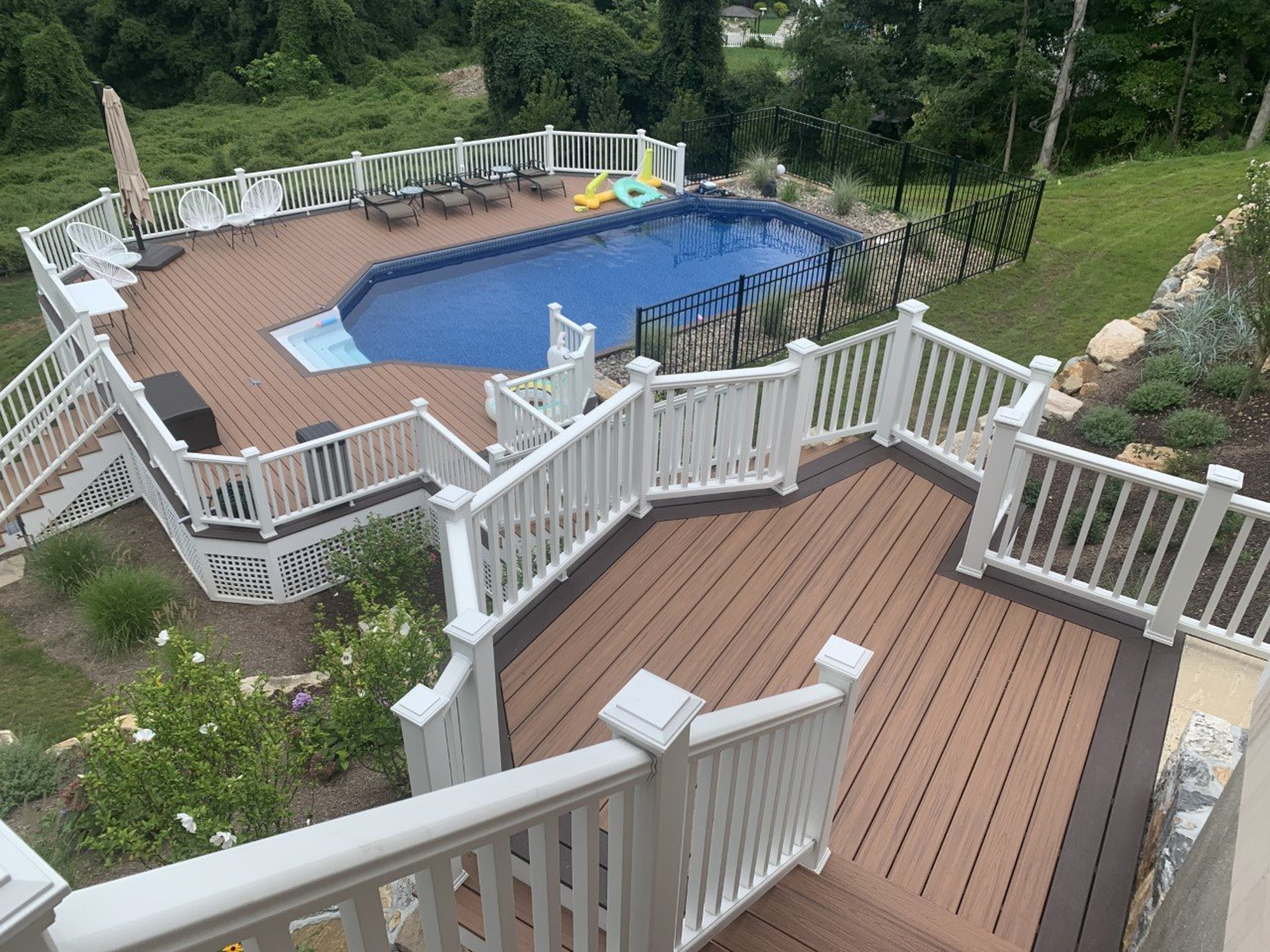
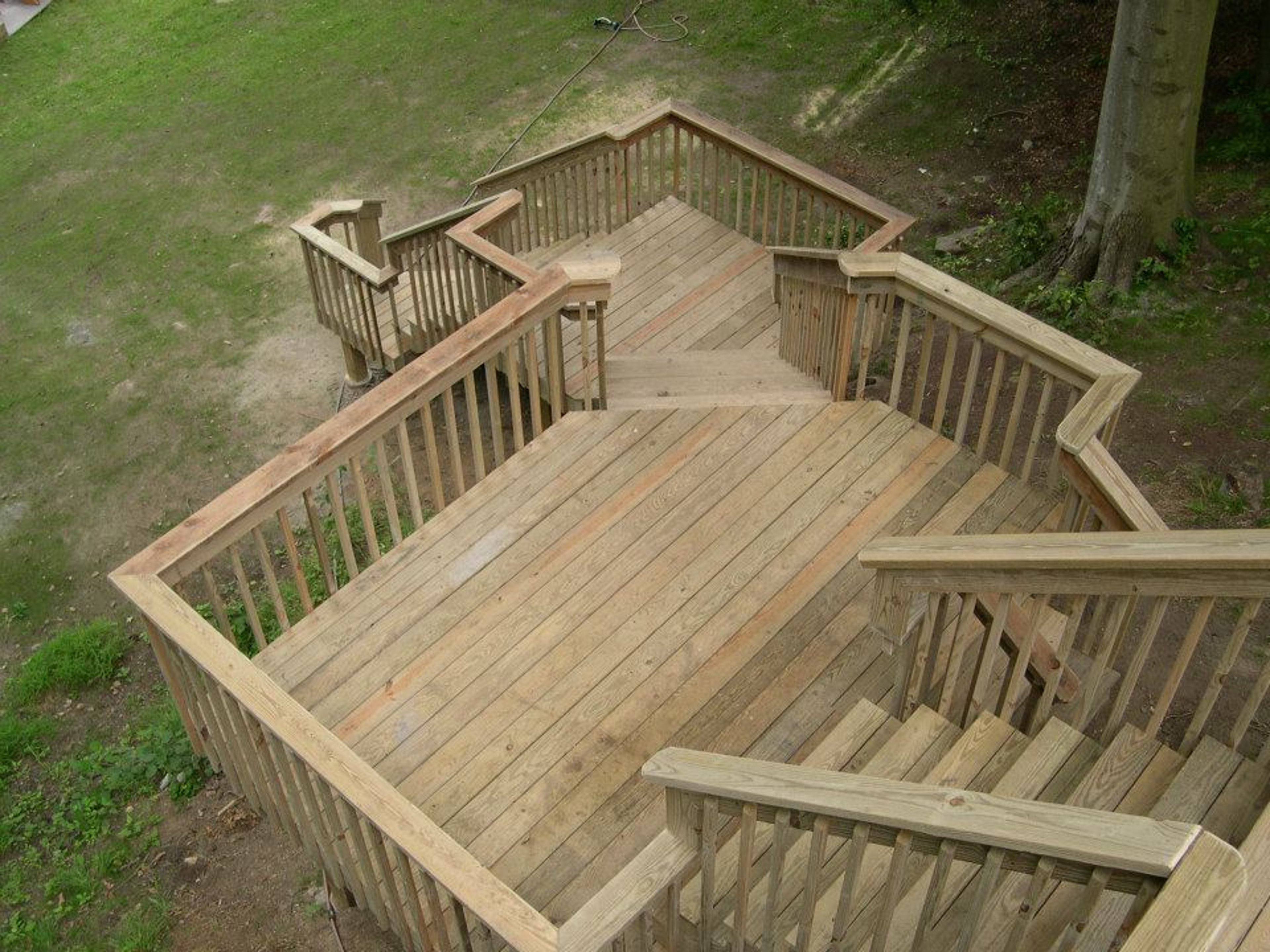
Modern composite has improved dramatically. Many homeowners can't tell the difference. Natural wood still has a warmth that appeals to traditionalists.
Realistic wood-grain textures; consistent color
Natural warmth and grain variation
Durability
Composite won't rot, splinter, or be damaged by insects. It handles the Northeast's wet springs and humid summers far better than wood.
Resistant to rot, splinters, insects, moisture
Vulnerable to rot, splinters, insects, warping
Eco-Friendliness
Trex is made from 95% recycled materials. Responsibly sourced hardwoods are also a defensible environmental choice.
Often made from recycled materials
Renewable if responsibly sourced
Warranty
Trex and TimberTech back their products with industry-leading warranties. No wood product offers comparable coverage.
25–30 year product warranty
No manufacturer warranty
Repairability
Wood is slightly easier to repair in the field. Composite boards can be replaced but matching color/lot can be challenging years later.
Boards can be replaced individually
Easy to sand, stain, or replace boards
Resale Value
In the current market, low-maintenance outdoor spaces command a premium. Composite increasingly wins with buyers.
Strong — buyers respond to low-maintenance
Good — natural appeal
Total Cost of Ownership
Composite
Low — maintenance is minimal
Wood
Higher — factor in annual staining/sealing
When you include labor and materials for refinishing every 1–3 years, total cost of ownership often favors composite.
Lifespan
Composite
25–30+ years
Wood
10–15 years (with maintenance)
Trex and TimberTech carry 25–30 year fade and stain warranties. Properly maintained wood can last longer but rarely does.
Maintenance
Composite
Occasional soap and water wash
Wood
Annual cleaning, staining or sealing required
This is the biggest practical difference. Composite requires almost no upkeep. Wood demands a consistent maintenance schedule to hold up.
Appearance
Composite
Realistic wood-grain textures; consistent color
Wood
Natural warmth and grain variation
Modern composite has improved dramatically. Many homeowners can't tell the difference. Natural wood still has a warmth that appeals to traditionalists.
Durability
Composite
Resistant to rot, splinters, insects, moisture
Wood
Vulnerable to rot, splinters, insects, warping
Composite won't rot, splinter, or be damaged by insects. It handles the Northeast's wet springs and humid summers far better than wood.
Eco-Friendliness
Composite
Often made from recycled materials
Wood
Renewable if responsibly sourced
Trex is made from 95% recycled materials. Responsibly sourced hardwoods are also a defensible environmental choice.
Warranty
Composite
25–30 year product warranty
Wood
No manufacturer warranty
Trex and TimberTech back their products with industry-leading warranties. No wood product offers comparable coverage.
Repairability
Composite
Boards can be replaced individually
Wood
Easy to sand, stain, or replace boards
Wood is slightly easier to repair in the field. Composite boards can be replaced but matching color/lot can be challenging years later.
Resale Value
Composite
Strong — buyers respond to low-maintenance
Wood
Good — natural appeal
In the current market, low-maintenance outdoor spaces command a premium. Composite increasingly wins with buyers.
Our Recommendation
Choose Composite If…
- You plan to stay in your home for 10+ years
- You want zero annual maintenance
- You have children or pets (no splinters, cooler surface)
- You're near water — pool, lake, or high-moisture area
- Resale value and buyer appeal matter to you
- You want a product warranty that lasts decades
- The deck faces heavy use or full sun exposure
Choose Wood If…
- Budget is the primary concern and you want the lowest upfront cost
- You genuinely love natural wood and are committed to maintaining it
- It's a short-term property and you want to minimize investment
- You want the ability to easily sand, refinish, or repair boards yourself
- The deck is in a covered, shaded area with minimal moisture exposure
- You prefer a traditional aesthetic that composite can't fully replicate
Common Questions
How long does composite decking last?
Trex and TimberTech carry 25–30 year fade and stain warranties. With minimal maintenance, composite routinely lasts 30+ years. Pressure-treated wood typically lasts 10–15 years before significant deterioration — depending on how consistently it's been maintained.
Does composite decking get too hot in summer?
Modern capped composite from Trex and TimberTech is significantly cooler than first-generation products. In direct full sun, any dark surface will get warm — that applies equally to dark wood stains. Lighter color choices help considerably with both materials.
Can you paint or stain composite decking?
No — and that's actually an advantage. The color is part of the product and carries a fade warranty. With wood, you're committing to a refinishing schedule every 1–3 years depending on sun and moisture exposure.
What composite brands do you install?
We're certified Trex Pro Platinum and TimberTech Platinum installers — the two leading composite deck brands. Both certifications are the highest tier their respective programs offer, which means we've been vetted for installation quality and product knowledge by the manufacturers themselves.
How do I decide which is right for my home?
The fastest way is to talk to us. We'll look at your space, your budget, how you use the deck, and your plans for the property — and give you a straight recommendation. Most clients in Westchester and Fairfield County choose composite once they understand the long-term math.
Ready to Build?
Let's Talk About Your Deck
Free on-site estimates for homeowners across Westchester, Putnam, and Fairfield County. We'll help you choose the right material for your home, budget, and lifestyle.