








.png)


Do I Need a Permit for My Project in Westchester, NY?
A straight-talking guide from a contractor who pulls permits every week across Westchester, Putnam, and Fairfield County.
The Short Answer
More projects require a permit than most homeowners think.
Building permits exist to protect you — they ensure that structural, electrical, and plumbing work is reviewed by a licensed inspector before it's covered up by drywall or buried underground. A permit creates a paper trail that protects your investment and makes your home easier to sell.
In Westchester County, permitting is handled at the municipal level — meaning your town, village, or city sets the rules, not the county. Yorktown, Somers, and Ossining all have their own building departments with slightly different thresholds. What's exempt in one town may require a permit in the next.
At Sunrise Carpentry, we handle permits as part of every project that requires one. Below is a practical breakdown of the most common project types and whether you're likely to need a permit.
By Project Type
What Needs a Permit in Westchester?
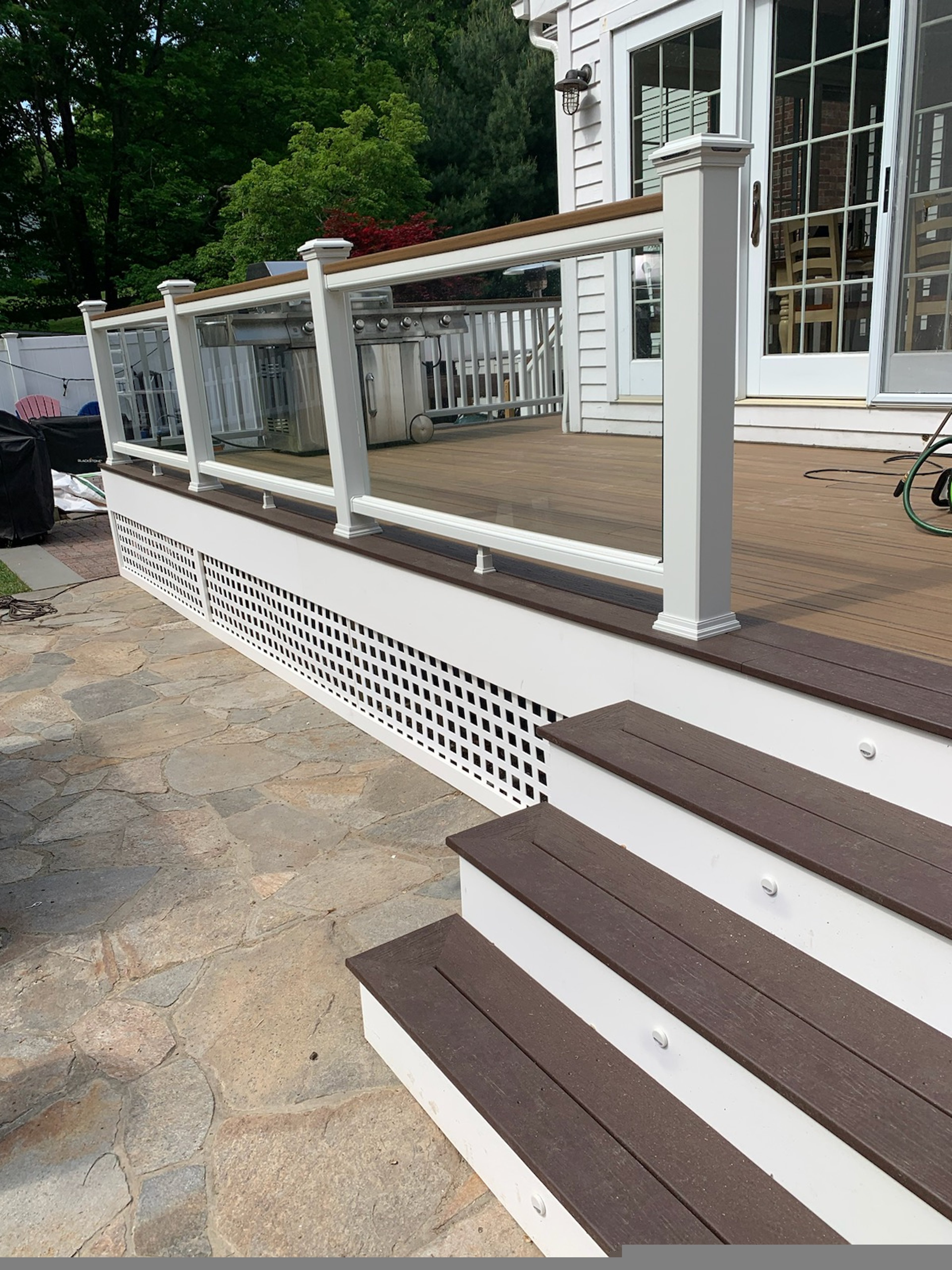
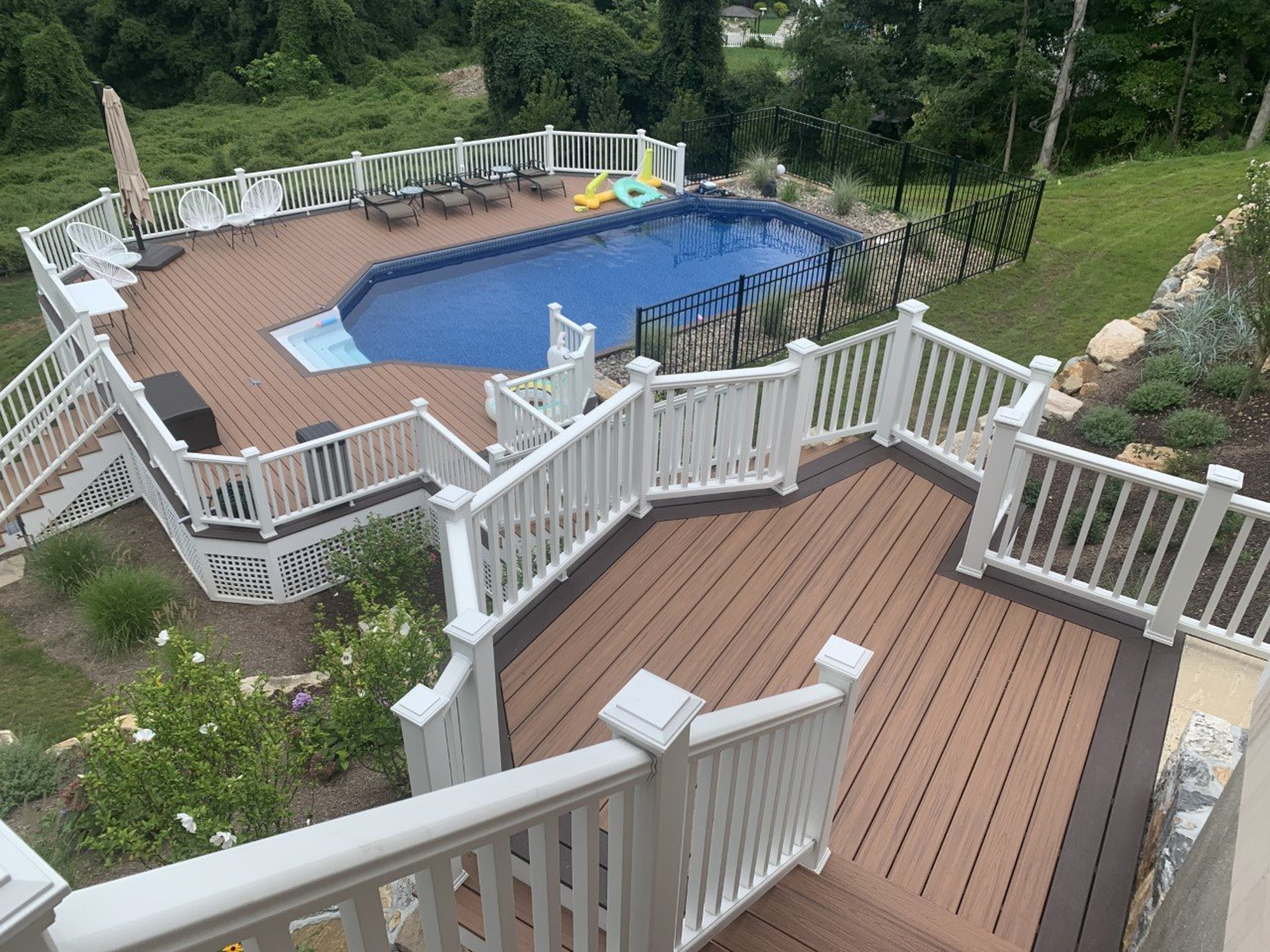
Decks & Patios
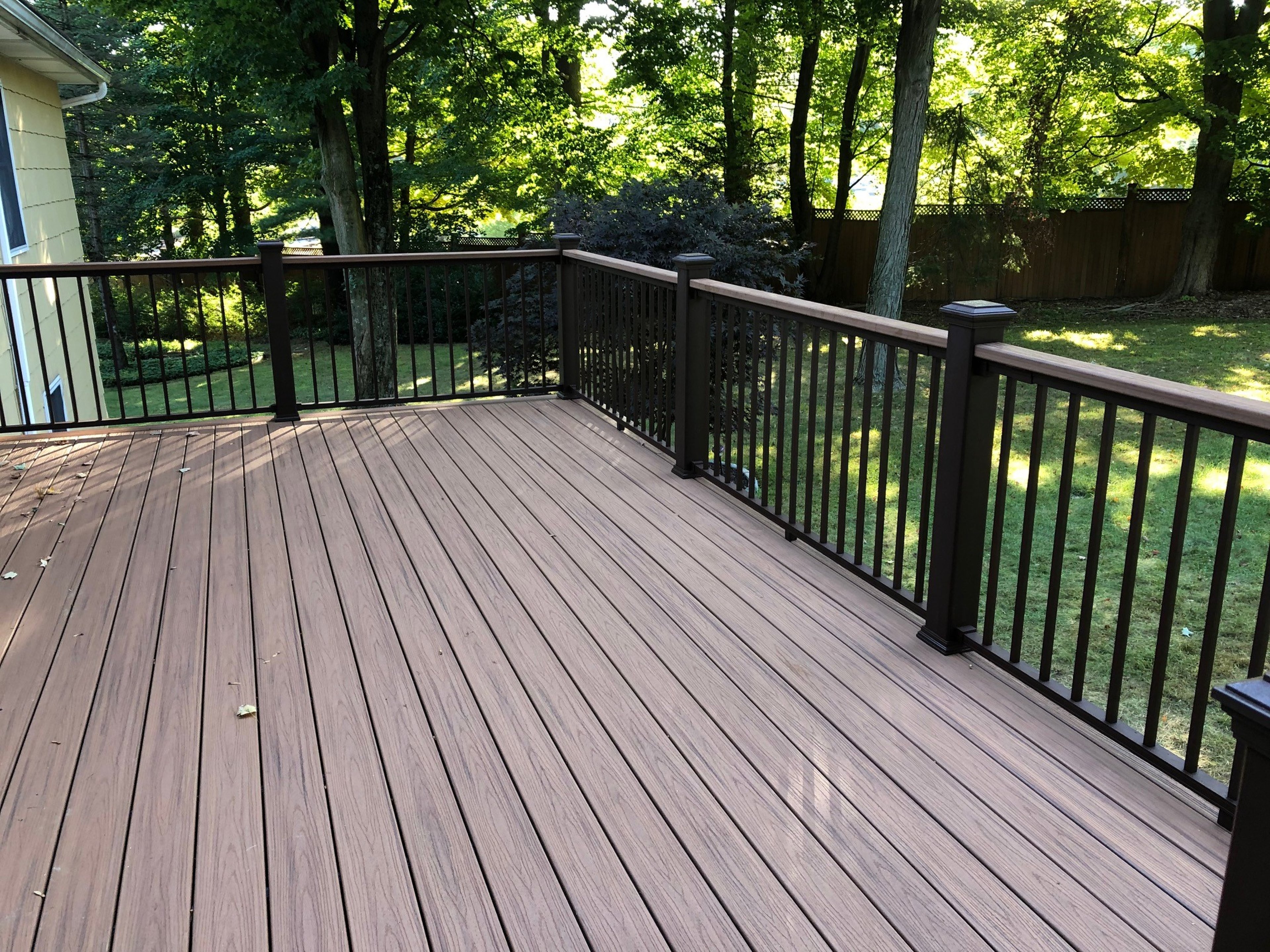
Permit RequiredAny deck attached to the house requires a permit. Elevated decks (30"+ above grade) always require one regardless of attachment. Freestanding ground-level patios or platforms under a certain square footage may be exempt — but check your town's code first.
View Service →Home Additions
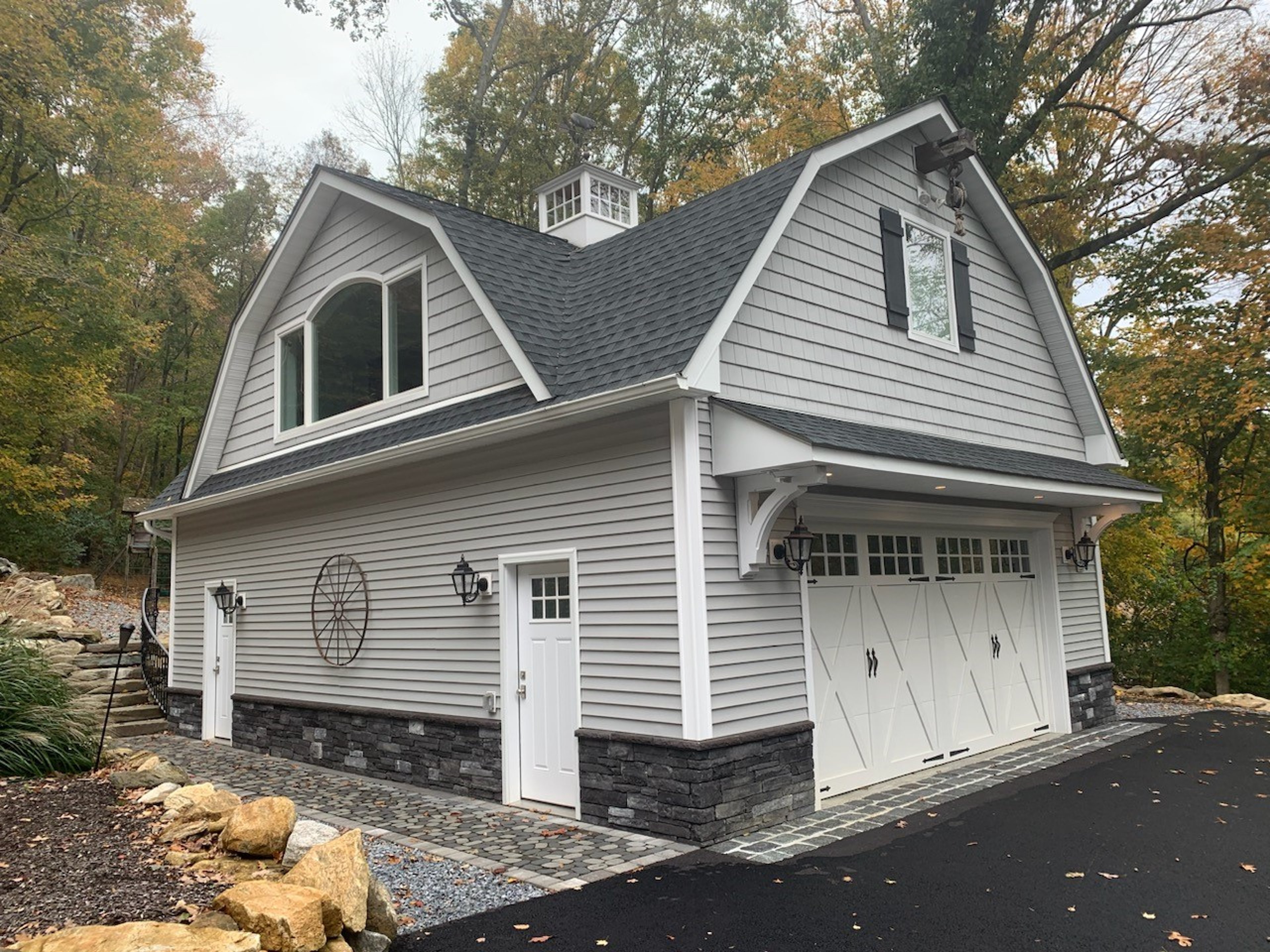
Permit RequiredNo exceptions. Any addition that adds square footage — whether it's a bump-out, second story, or attached garage — requires a building permit, zoning approval, and in most cases, architectural drawings. Plan for a meaningful lead time on permitting before work can begin.
View Service →Finished Basements
Permit RequiredFinishing an unfinished basement — framing walls, adding electrical or plumbing — requires a permit. This is a commonly skipped permit that causes big problems at resale. Buyers and their attorneys will ask for the CO (Certificate of Occupancy).
View Service →Kitchen Renovations
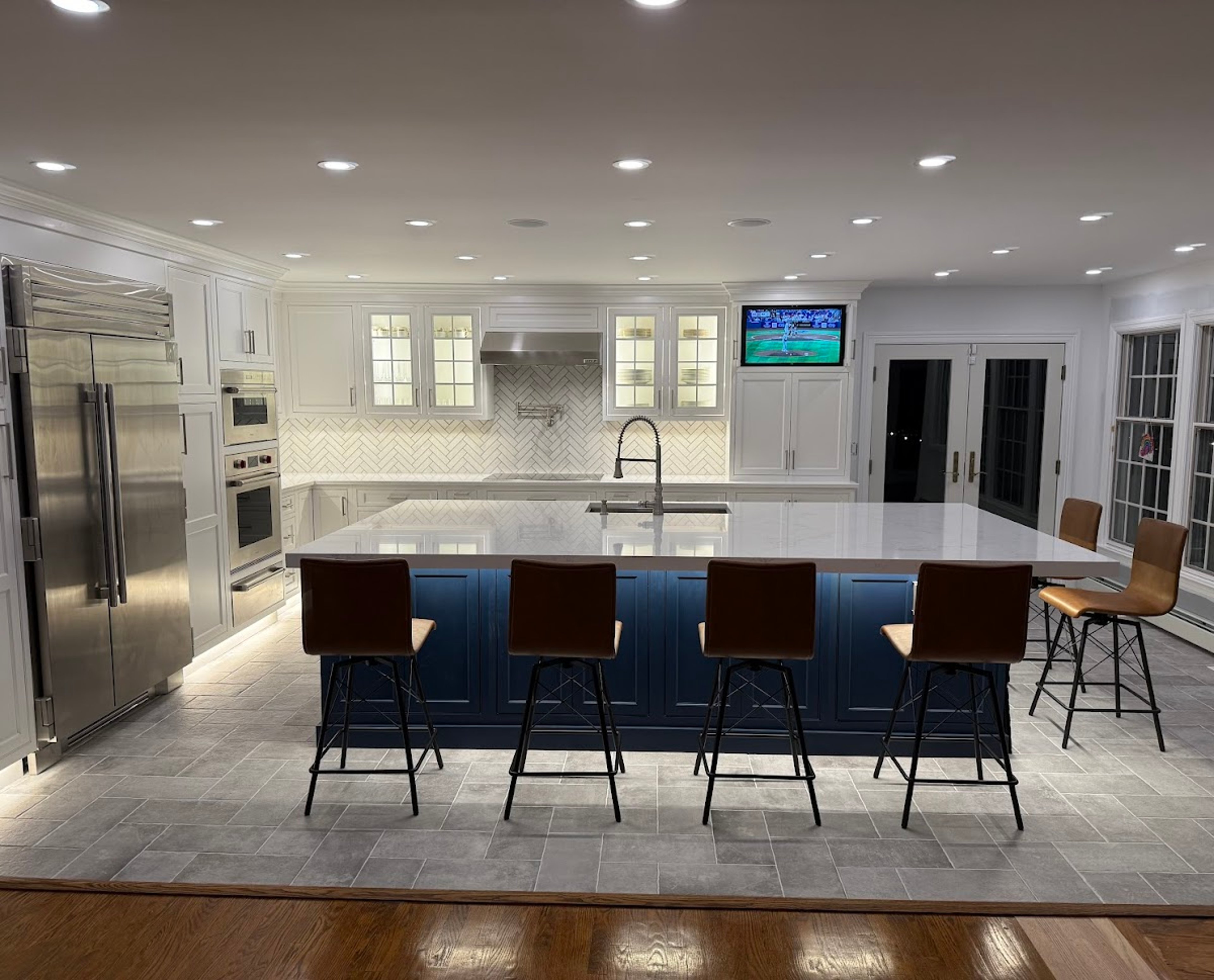
DependsA cosmetic kitchen refresh (new cabinets, countertops, appliances in the same location) generally doesn't need a permit. The moment you're moving walls, adding circuits, or relocating plumbing, you need one — and you'll want electrical and plumbing sub-permits too.
View Service →Bathroom Renovations
DependsLike kitchens: cosmetic updates are generally fine without a permit. Adding a bathroom from scratch, moving a toilet or shower drain, or adding electrical circuits requires a permit. Adding a GFCI outlet to an existing bathroom typically does not.
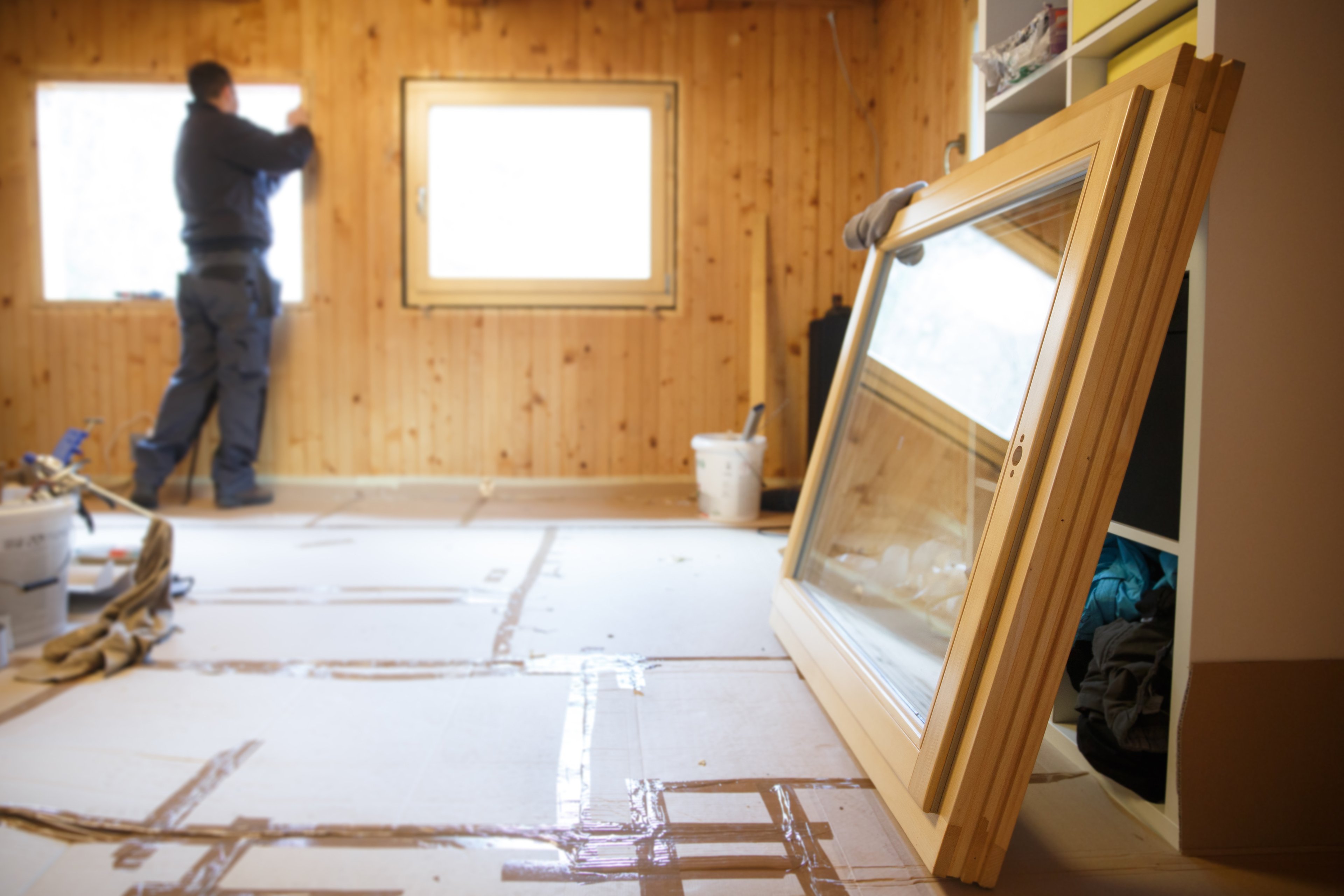
View Service →Windows & Doors
Usually ExemptReplacing existing windows or doors with the same size in the same opening is generally permit-exempt in most Westchester towns. Enlarging an opening, cutting a new opening, or adding an egress window requires a permit.
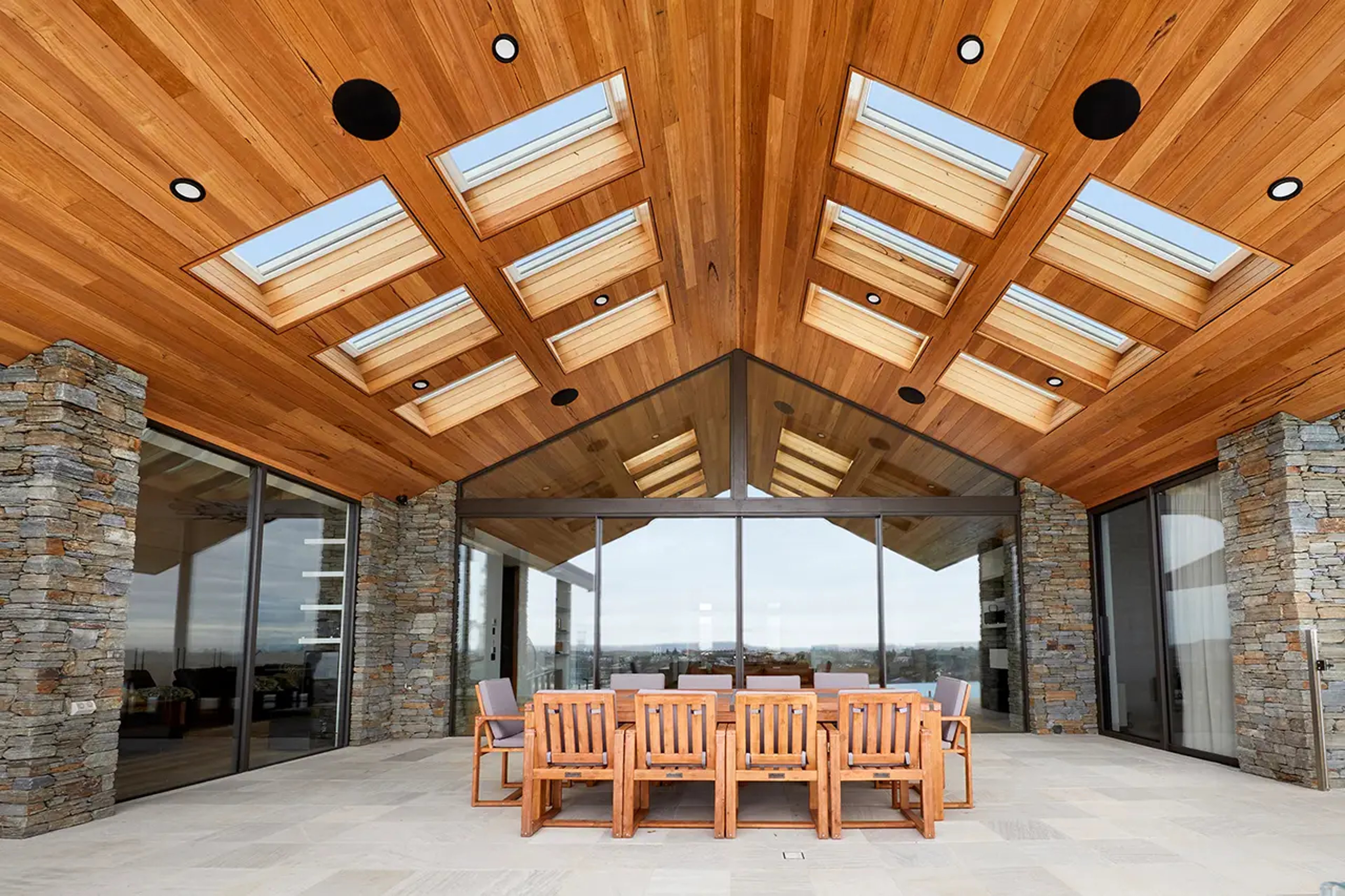
View Service →Roofing
Usually ExemptA standard roof replacement (tear-off and re-shingle) is typically permit-exempt in Westchester. Structural roof work — adding skylights, dormers, or changing the roof structure — requires a permit.
View Service →Siding
Usually ExemptReplacing siding on an existing home typically does not require a permit in most Westchester municipalities. Structural changes to the wall behind the siding — adding insulation cavities, changing sheathing — may require one.
View Service →Pergolas & Structures
DependsAttached pergolas almost always require a permit. Freestanding pergolas under a certain square footage may not — but this varies significantly by town. Gazebos with electrical require a permit regardless.
View Service →Interior Painting & Flooring
Usually ExemptCosmetic work — painting, flooring, trim, tile — never requires a building permit. These are among the few home improvements that are fully DIY-friendly from a permitting standpoint.
The Risk
What happens if you skip the permit?
Unpermitted work is one of the most common — and costly — problems we see when homeowners come to us after working with another contractor. Here's what's at stake:
- Stop-work orders — The town can shut down your project mid-construction and require you to undo completed work until a permit is obtained and inspections are passed.
- Fines — Most Westchester municipalities levy fines for unpermitted work — typically 2–3x the cost of the permit itself, sometimes significantly more.
- Problems at resale — Buyers' attorneys routinely search permit records. Unpermitted additions, basements, or decks must be disclosed — and often must be remediated before closing.
- Insurance gaps — If unpermitted work contributes to a fire, flood, or structural failure, your homeowner's insurance may deny the claim.
- Liability — If someone is injured on unpermitted work, you bear personal liability. The permit process exists in part to ensure safe construction.
Our Approach
We'll take care of the permits — so you don't have to worry about it.
Sunrise Carpentry has been building in Westchester for over 30 years. We have established relationships with building departments across the county and pull permits as a standard part of every qualifying project.
If a contractor tells you a permit "isn't necessary" for work that clearly requires one, that's a red flag. It usually means they're cutting corners — and the liability shifts to you.
Common Questions
Do I need a permit to build a deck in Westchester?
Yes, in virtually all cases. Any deck attached to the house requires a permit. Elevated decks (30"+ above grade) always require one. Freestanding ground-level platforms under a certain square footage may be exempt — but the threshold varies by town and it's always worth confirming before you build.
Does my contractor pull the permit, or do I?
A licensed contractor can pull the permit on your behalf in New York, which is standard practice. At Sunrise Carpentry, we handle all permit applications as part of the project. Be cautious if a contractor asks you to pull your own permit — it can shift liability and is often a sign that the contractor isn't fully licensed.
How much does a building permit cost in Westchester?
Permit fees in Westchester are typically calculated as a percentage of construction value — usually 0.5% to 1.5%. For a $50,000 project, expect to pay $500–$750 in permit fees. Fees vary by municipality.
What happens if I do work without a permit?
Stop-work orders, fines, and potentially being required to demolish completed work. More practically: problems at resale. Buyers' attorneys and home inspectors routinely check permit history, and unpermitted work must be disclosed — or can kill a deal entirely.
Do I need a permit for work in Fairfield County, CT?
Yes — permitting rules in Connecticut are similar to New York. Each town (Greenwich, Stamford, Darien, etc.) has its own building department and threshold. Sunrise Carpentry regularly works in Fairfield County and handles CT permits as part of those projects.
Ready to Start?
We handle the permits — you focus on the project.
Free on-site estimates across Westchester, Putnam, and Fairfield County. We'll tell you exactly what's needed for your project before work begins.